

Bondage à Sainte-Catherine (2026): Dating, Encounters & The New Rules of Desire

Look, 2026 isn’t 2023. The scene here in Sainte-Catherine—and honestly, the whole greater Montreal area—has shifted. Permanently. We’re past the “Fifty Shades” phase; that was for tourists. Now? Bondage is less about novelty and more about intentionality. It’s integrated. You see it on dating profiles, in the way escorts list their specialties, in the quiet understanding at a bar in Vieux-Longueuil when someone mentions they’re “going to a workshop” on a Tuesday night. This is about power, trust, and getting what you actually want. Not what you’re supposed to want.
So, whether you’re hunting for a partner who can handle a rope, or just trying to understand why “submission” is suddenly a green flag on Hinge, this is for you. It’s raw, it’s practical, and it’s rooted in what’s actually happening here, now.
Why is Sainte-Catherine becoming a hotspot for bondage and kink in 2026?

Because it’s the perfect storm of accessibility and discretion. It’s not Montreal’s craziness, but it’s close enough. You get that suburban privacy mixed with urban proximity. Plus, 2026 has seen a massive normalization of kink through tech.
The old stereotype of the “dungeon” is dead. Dead. What we have now are beautifully lit lofts in places like the Quartier de la Gare, or even converted spaces near the Récré-O-Parc—places where people host private “rope jams.” The cost of living has pushed creatives and kinksters out of the Plateau and into the South Shore. And they brought their rope with them. It’s gentrification of desire, I guess.
Also? The 2026 dating apps. They’ve finally caught up. The filters aren’t just for “smoker” or “dog lover.” You can openly state your role—Dominant, submissive, Switch, Rigger—without getting banned. The algorithms in 2026 are optimized for compatibility vectors that include consent models and kink alignment. It’s a little clinical, maybe, but it works. Suddenly, finding someone in Sainte-Catherine who wants the same thing you do isn’t a wild goose chase.
But here’s the thing. More options don’t mean more clarity. It just means more noise.
What’s the difference between finding a partner on Feeld versus a specialized kink site in 2026?
Feeld is for dating with a side of kink; a specialized site is for kink with a side of dating. It’s the difference in intent. On Feeld (which is still king in Montreal and the South Shore for alt dating in 2026), you’ll meet people who are “curious.” They’ve read one book, maybe. They want to try “light bondage.” And that’s fine. That’s the entry point.
But on something like FetLife, or the new 2026 platform “Kontrol” (which is huge in Quebec right now because of its video safety features), the intent is laser-focused. You’re not going there to find a dinner date; you’re going there to find a scene partner. The conversation is different. It’s more direct. “I’m a rigger, looking for a bottom for a suspension session, must have safeword experience.” It’s transactional in the best way—it respects everyone’s time. If you’re in Sainte-Catherine and just dipping your toes, start with Feeld. But if you know what a “suspension” is, skip the small talk and hit the specialized boards.
How do you safely find a bondage partner in Sainte-Catherine without getting hurt?

You vet. Then you vet again. Then you meet in public, in daylight, with zero expectations. And for god’s sake, you learn the difference between “red flags” and “yellow flags.”
Safety in 2026 is… different. It’s not just about physical safety—though that’s huge—it’s about psychological and digital safety. People catfish. People lie about their experience level. I’ve seen guys who claim to be “Master” but can’t tie a single-column tie to save their life. Literally. So, how do you do this?
First, the “Public Munch” is your friend. There’s a group that meets monthly at a café in Sainte-Catherine—sometimes even at that big spot on Chem. du Village. It’s vanilla as hell. You eat fries, you drink shitty coffee, you talk about the Expos maybe. No kink. You just meet the person behind the profile. If they can’t handle a vanilla coffee date, they cannot handle your boundaries in a scene.
Second, references. In 2026, asking for a reference from a previous play partner is standard. Not weird. If someone gets offended? Block them. Full stop. A trusted rigger or dominant will have people who vouch for them. It’s like a job interview, but for pleasure. And maybe that kills the mystery a little, but it saves your nerves and your body.
Third, the tech. Use apps that share your live location with a friend. “Hey Siri, tell Sarah I’m at this address and will check in at 10 PM.” Do it. Every time.
Is hiring an escort for bondage in Sainte-Catherine a better option than dating?
Honestly? For clarity? Yes. Absolutely yes. If you know exactly what you want—let’s say a Shibari session, or a sensory deprivation scene—hiring a professional who specializes in BDSM removes the guesswork. It’s cleaner.
Dating is messy. You invest weeks, months, and then you find out they think bondage means using a silk scarf from their mom’s closet. With an escort—specifically one who advertises as a “kink practitioner” or “pro-domme” in the greater Montreal area—you’re paying for skill, safety, and experience. They know the anatomy of the median nerve. They know where not to put the rope. They’ve got the insurance, the waivers, the whole bit. And in 2026, with the legal framework around sex work in Canada being… well, still grey but more openly discussed, finding a reputable provider in places like Brossard or Saint-Constant is easier. They have websites. They have reviews. It’s a service economy.
But—big but—it’s a transaction. It’s not love. If you’re looking for connection, an escort won’t fill that void. But if you’re looking for a specific experience, a rope scene, a flogging, a roleplay? They’re the pros. Pay them. Tip them. Thank them.
What are the unspoken rules of bondage dating in 2026 that everyone breaks?
The biggest one? Negotiating under the influence. Everyone does it. You’re at a bar in Sainte-Catherine, you’ve had three ciders, and suddenly you’re agreeing to a scene that night. Bad idea. Terrible. The unspoken rule that should be spoken is: Negotiate sober. Play intoxicated if that’s your thing, but negotiate stone-cold sober.
Another broken rule? Aftercare. People ghost. They finish the scene, have an orgasm, and then… nothing. They’re out the door. In 2026, we’re seeing a push for “aftercare as a contract.” You agree to it beforehand. Even if it’s just 15 minutes of cuddling, or making tea, or sitting in silence. It’s not optional. It’s part of the experience. If someone in Sainte-Catherine tries to skip aftercare, they’re not kinky—they’re selfish.
And the third? Digital consent. Sharing photos. In 2026, with deepfakes being what they are, you do not—I repeat, do not—send face pics with nudity. Ever. Crop them. Keep them separate. The rules of OpSec (Operational Security) are the new rules of kink. You protect your identity because once that data is out, it’s out. And the internet in 2026 is not forgiving.
How has Shibari evolved in Sainte-Catherine’s dating scene by 2026?
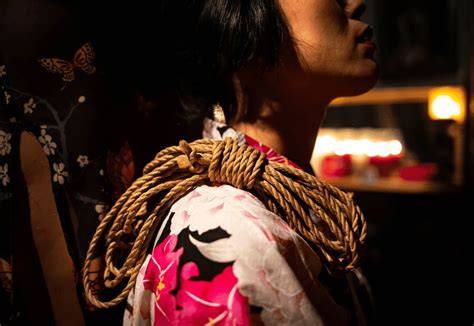
Shibari has become the new yoga. It’s everywhere. There are studios in Longueuil offering weekend intensives. Couples take it as a way to reconnect. Singles take it to learn the art. It’s moved from strictly sexual to meditative.
The aesthetic of rope is huge in 2026. It’s on Instagram, it’s on TikTok (though heavily censored, obviously). But the philosophy? That’s what’s changed. People in Sainte-Catherine aren’t just tying each other up for fun—they’re doing it as a practice. There’s a focus on the “ma” (the space between) in Japanese aesthetics. The pauses. The tension that isn’t sexual but is deeply intimate. I’ve seen friends who met at a rope workshop here end up dating for years. The rope was the third party in the relationship, the thing that mediated their connection.
But the downside? There’s a lot of “rope-bros” now. Guys who bought a cheap bundle of jute online, watched three YouTube videos, and think they’re a master. They’re dangerous. They’ll tell you “it’s just rope,” ignoring the nerve damage risks. So, if you’re dating someone who claims to be a rigger, ask them where they trained. If they can’t name a studio or a teacher with a lineage—like a student of someone from the Naka Academy or a known Canadian teacher—run. Don’t walk.
What’s the difference between a “rigger” and someone who just bought rope?
A rigger understands physics and anatomy; the other guy just bought a decorative accessory. A real rigger, even a hobbyist in Sainte-Catherine, will talk about load-bearing, circulation, and nerve pathways. They’ll have safety shears within arm’s reach. Always. They’ll tie with intention, not just to make it look pretty for a photo.
The guy with the rope? He’ll try to copy a tie from a porn video. He’ll pull too tight, or too loose, and he won’t know how to read your body for signs of distress. In 2026, with the information so readily available, there’s no excuse for this ignorance. But it persists. So, it’s on you—the bottom, the submissive, the receiver—to ask the hard questions. “What’s your emergency release?” “How do you check for numbness?” If they look at you like you’re speaking Greek, end the date.
Can bondage save a failing relationship? (The 2026 reality check)

No. No, it cannot. And if you think it can, you’re in for a world of hurt. Bondage is an amplifier. It takes what’s there and turns up the volume. If you have a relationship based on trust, respect, and communication, bondage will make that trust feel electric. It will deepen it.
But if your relationship is shaky? If you’re fighting about money, or chores, or that thing you said at Christmas five years ago? Introducing rope and power dynamics is like throwing gasoline on a campfire. You’ll get a flare, sure, but then you’ll have nothing but ashes. I’ve seen couples in Sainte-Catherine try to “kink their way out of a rut.” It doesn’t work. The imbalance in power that you play with in the bedroom will leak into your arguments. “You liked being tied up, so why won’t you listen to me about the mortgage?” See? It gets twisted.
So, fix the vanilla stuff first. Go to counseling. Talk. Then, maybe, buy the rope.
What does the future of bondage look like for Sainte-Catherine after 2026?

Integration. It’s just going to be another checkbox on the menu of human experience. The mystique is fading, and in its place, we’re getting education and acceptance. The 2026 generation doesn’t see BDSM as deviant; they see it as a valid form of leisure and intimacy.
I predict we’ll see more “kink-positive” therapists in the South Shore. More community centers hosting safer-sex workshops that include rope techniques. Maybe even a dedicated brick-and-mortar shop in Sainte-Catherine that sells high-quality jute and leather, not just the cheap stuff from the mall. The demand is there. The population is there. And with Montreal’s status as a cultural hub bleeding into the suburbs, it’s inevitable.
But with that integration comes the risk of sanitization. Of making it “safe” and “corporate.” And kink, at its heart, is about edge-walking. It’s about dancing with risk in a controlled way. We have to fight to keep that edge. To keep it real. To keep it from becoming just another consumer product.
So, whatever you’re looking for—a partner, a pro, a scene, or just an answer—remember that the rope is just a tool. The real work is in your head. And your heart. Good luck out there. It’s a wild, beautiful, terrifying landscape. But it’s yours.